Master the art of intentional jewelry layering. Learn how to balance necklace lengths, mix silver and gold metals, and curate a chic ear stack.
Layering jewelry is an art form that bridges personal storytelling with sartorial geometry. When done correctly, layered jewelry creates an effortlessly luxurious statement that elevates even the simplest white tee and vintage denim. Here is the definitive formula for mastering necklace, ring, and ear curation.
The Golden Rules of Necklace Layering
The secret to tangle-free, harmonious necklace layering lies in varying three critical elements: length, thickness, and texture.
- The Base (14–15 Inches): Start with a choker or delicate micro-chain that hugs the base of the neck.
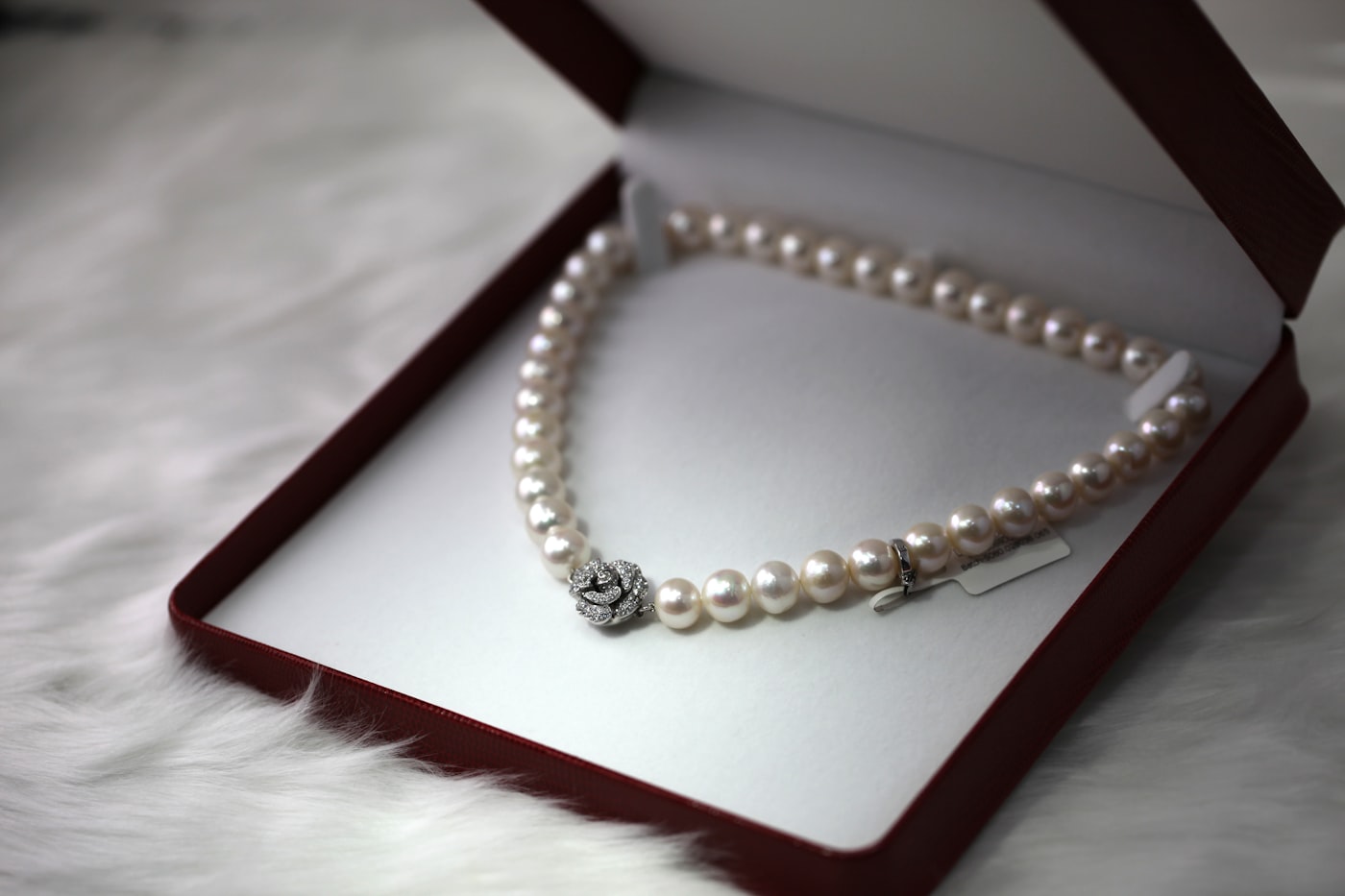
- The Focal Point (16–18 Inches): Introduce texture with a paperclip link, snake chain, or pearl choker.
- The Anchor (20–24 Inches): Finish with a pendant, coin talisman, or locket that elongates the torso and creates a flattering V-shape.

Can You Mix Silver and Gold? (The Modern Verdict)
The outdated rule forbidding the pairing of yellow gold with sterling silver or white gold is officially obsolete. Modern editorial styling thrives on mixed-metal dynamism. The key to making mixed metals look intentional rather than accidental is to include at least one two-tone piece (such as a dual-metal watch or interlinked ring) that bridges the warm and cool palettes.
Curating the Modern ‘Ear Party’
An intentional ear curation considers the natural anatomy of the earlobe and cartilage. Follow the ‘descending weight’ principle:
- First Lobe: Your boldest hoop or pendant drop earring.
- Second Lobe: A medium huggie or delicate diamond stud.
- Third Lobe & Helix: Micro-sparklers, flat-back labrets, or minimalist ear cuffs that require no piercing.

Curated Gold Ear Cuff & Stud Set
14k gold vermeil clip-on ear cuff set designed for effortless stacking without piercings.
VIEW COLLECTION📌 Key Takeaways
- Always graduate necklace lengths in 2-inch increments (14″, 16″, 18″, 20″).
- Anchor mixed-metal stacks with a dedicated two-tone accessory.
- Follow descending scale from lower lobe to upper cartilage when curating ears.
 ✓
✓


